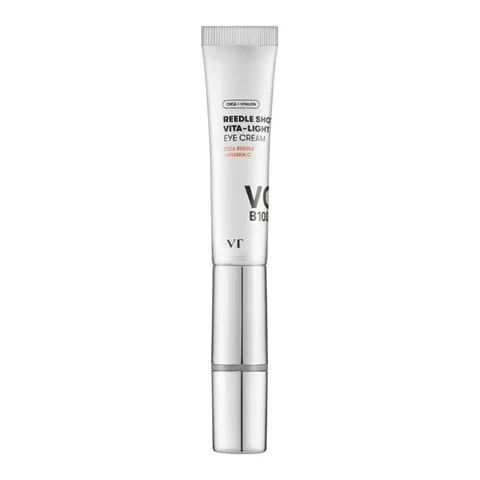
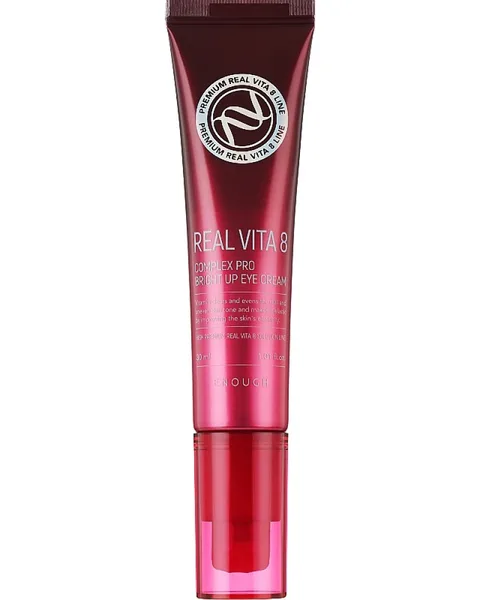
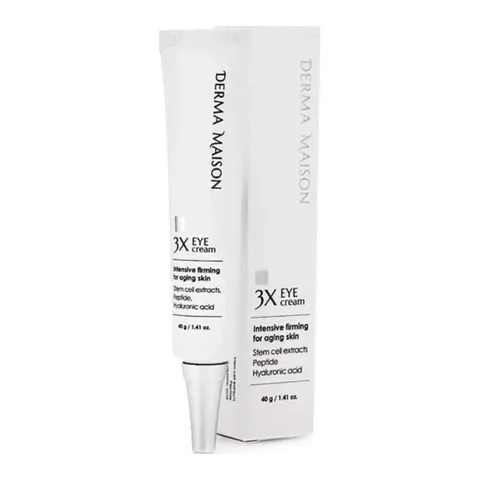
Головна / Cosmo Index / Догляд за нерівномірним тоном Усі типи Крем Сироватка Тонер Очищення Сонцезахисний засіб Маска Шампунь Олія Пілінг Будь-яка ціна до 300 грн 300–700 грн понад 700 грн Зона Усі зони Обличчя Зона навколо очей Тіло Руки та стопи Волосся Нігті Бренд Усі бренди ABIB ANUA A PIEU ARENCIA AXIS-Y BALEA BANILA CO BEAUTY OF JOSEON BERGAMO Be The Skin BIODANCE Bio Heal BOH Bueno By Wishtrend CELIMAX Centellian24 Cos de Baha Cosrx Curesona CU SKIN DEOPROCE Derma Factory DR.ALTHEA Dr. Ceuracle DR.G Dr.Jart+ DR. ORACLE EKEL Enough Esthetic House EYENLIP FABYOU FACIS FarmStay FORTHESKIN Fraijour FRANKLY Geek & Gorgeous GENOSYS GOODAL Growus Haruharu Wonder Heimish Hollyskin ISNTREE IT'S SKIN Iunik Jigott JM Solution Jumiso KAINE K-SECRET Kundal La'dor LAGOM LaLa Recipe Laneige LEBELAGE ma:nyo Mary&May Masil May Island MEDDIS Medicube Medi-Peel Meditime Melano CC MELOSO Missha MIXSOON MR. SCRUBBER NAEXY Needly NEOGEN DERMALOGY Nine Less Numbuzin OOTD Perfecta Petitfee PROFISTYLE PURITO Pyunkang Yul Q+A Real Barrier REJURAN REVUELE Round Lab SKIN1004 SKIN&LAB SOIKA Some By Mi Sungboon Editor SWEETEEN THE SAEM TIAM TIRTIR Tocobo TORRIDEN Transparent Lab TRIMAY Usolab VT Cosmetics VVbetter WhoCares Наявність Усі засоби Є в наявності Порядок За місцем у рейтингу За балом Cosmo Index Від нижчої ціни Найкраща цінність
55 товарів · тип «Крем»
На чому стоїть оцінка Активні компоненти, які враховуємо для мети «Догляд за нерівномірним тоном», і що про них відомо за даними джерел. Компонент із сильнішими доказами важить у балі більше.
Доведено кілька рандомізованих досліджень або систематичний оглядПомірні дані одне-два контрольовані дослідження на людяхМало даних лабораторні або невеликі відкриті дослідженняНемає даних лише заяви виробників, на оцінку не впливаєЯк ми оцінюємо →
Сильні дані (A) отримано при 15–20%, це зазвичай лікарські засоби; для косметики B.
Чому не вище: інша доза: дію показано в концентрації, вищій за косметичну або дозволену в ЄС; дані про лікарський засіб.
Джерела (3) King S et al. 2023. A systematic review to evaluate the efficacy of azelaic acid in the management of acne, rosacea, melasma and skin aging. J Cosmet Dermatol systematic review (43 RCTs) Baliña L et al. 1991. The treatment of melasma. 20% azelaic acid versus 4% hydroquinone cream. Int J Dermatol RCT vs active comparator Chang YF et al. 2022. Efficacy and safety of topical agents in the treatment of melasma: What's evidence? A systematic review and meta-analysis. J Cosmet Dermatol systematic review/meta-analysis (45 studies) Глутатіон Помірні дані (B)
Одне плацебо-контрольоване дослідження 2% лосьйону (30 жінок); огляд 2025 називає дані попередніми.
Чому не вище: мало учасників або без контрольної групи.
Джерела (2) Watanabe F, Hashizume E, Chan GP, Kamimura A. 2014. Skin-whitening and skin-condition-improving effects of topical oxidized glutathione: a double-blind and placebo-controlled clinical trial in healthy women. Clin Cosmet Investig Dermatol 7:267–274 randomized double-blind placebo-controlled split-face, n=30 women; 2% oxidized glutathione lotion, 10 weeks Khanna R, Rambhia PH, Chapas AM et al. 2025. Systematic review of the efficacy and safety of topical glutathione in dermatology. J Clin Aesthet Dermatol systematic review of 5 clinical trials; no GRADE rating; calls for more RCTs Слабша за гідрохінон у порівняльних дослідженнях; може подразнювати. У ЄС до 1%.
Чому не вище: мало учасників або без контрольної групи.
Джерела (4) Chang YF et al. 2022. Efficacy and safety of topical agents in the treatment of melasma: What's evidence? A systematic review and meta-analysis. J Cosmet Dermatol systematic review/meta-analysis (45 studies) Garcia A et al. 1996. The combination of glycolic acid and hydroquinone or kojic acid for the treatment of melasma and related conditions. Dermatol Surg split-face comparative (n=39) Monteiro RC et al. 2013. A comparative study of the efficacy of 4% hydroquinone vs 0.75% kojic acid cream in the treatment of facial melasma. Indian J Dermatol comparative trial, alternating allocation (n=60) Commission Regulation (EU) 2024/996 (Vitamin A, alpha-arbutin, arbutin, kojic acid, genistein, daidzein; deletes Annex VI entry 18 4-MBC from 1 May 2025) EU regulation Невеликі контрольовані дослідження: 4% ніацинаміду діяли близько до 4% гідрохінону.
Чому не вище: мало учасників або без контрольної групи.
Джерела (3) Hakozaki T et al. 2002. The effect of niacinamide on reducing cutaneous pigmentation and suppression of melanosome transfer. Br J Dermatol in vitro + controlled human study Navarrete-Solís J et al. 2011. A double-blind, randomized clinical trial of niacinamide 4% versus hydroquinone 4% in the treatment of melasma. Dermatol Res Pract split-face RCT (n=27) Lee DH et al. 2014. Reduction in facial hyperpigmentation after treatment with a combination of topical niacinamide and tranexamic acid: a randomized, double-blind, vehicle-controlled trial. Skin Res Technol RCT vs vehicle (n=42; 2% niacinamide + 2% TXA) Метааналіз: місцево діє співставно з гідрохіноном і рідше подразнює.
Чому не вище: непрямі дані: інший показник, форма або спосіб застосування.
Джерела (3) Chang YF et al. 2022. Efficacy and safety of topical agents in the treatment of melasma: What's evidence? A systematic review and meta-analysis. J Cosmet Dermatol systematic review/meta-analysis (45 studies) Calacattawi R et al. 2024. Tranexamic acid as a therapeutic option for melasma management: meta-analysis and systematic review of randomized controlled trials. J Dermatolog Treat systematic review/meta-analysis (22 studies) Lee DH et al. 2014. Reduction in facial hyperpigmentation after treatment with a combination of topical niacinamide and tranexamic acid: a randomized, double-blind, vehicle-controlled trial. Skin Res Technol RCT vs vehicle (n=42; 2% niacinamide + 2% TXA) Невеликі дослідження: 5% вітаміну C діяв слабше за гідрохінон, але краще переносився.
Чому не вище: мало учасників або без контрольної групи.
Джерела (3) Espinal-Perez LE et al. 2004. A double-blind randomized trial of 5% ascorbic acid vs. 4% hydroquinone in melasma. Int J Dermatol split-face RCT (n=16) Correia G et al. 2023. Efficacy of topical vitamin C in melasma and photoaging: A systematic review. J Cosmet Dermatol systematic review (7 studies, 139 volunteers) Humbert PG et al. 2003. Topical ascorbic acid on photoaged skin. Clinical, topographical and ultrastructural evaluation: double-blind study vs. placebo. Exp Dermatol RCT vs placebo (5% vitamin C, 6 months) Контрольованих досліджень тону для засобів щоденного догляду немає; кислоти підвищують чутливість до сонця.
Чому не вище: непрямі дані: інший показник, форма або спосіб застосування.
Джерела (3) Garcia A et al. 1996. The combination of glycolic acid and hydroquinone or kojic acid for the treatment of melasma and related conditions. Dermatol Surg split-face comparative (n=39) Glycolic acid peels in the treatment of melasma among Asian women. clinical study of in-office peels Kaidbey K et al. 2003. Topical glycolic acid enhances photodamage by ultraviolet light. Photodermatol Photoimmunol Photomed RCT, double-blind (n=29; 10% GA pH 3.5) Дані переважно лабораторні; клінічне дослідження поєднувало арбутин із койовою кислотою у дозах, вищих за дозволені в ЄС.
Чому не вище: лише лабораторні дані або дослідження на тваринах; інша доза: дію показано в концентрації, вищій за косметичну або дозволену в ЄС.
Джерела (3) Sugimoto K et al. 2004. Inhibitory effects of alpha-arbutin on melanin synthesis in cultured human melanoma cells and a three-dimensional human skin model. Biol Pharm Bull in vitro Tantanasrigul P et al. 2024/2025. The efficacy of topical cosmetic containing alpha-arbutin 5% and kojic acid 2% compared with triple combination cream for the treatment of melasma: a split-face, evaluator-blinded randomized pilot study. J Cosmet Dermatol split-face randomized pilot (n=30) Commission Regulation (EU) 2024/996 (Vitamin A, alpha-arbutin, arbutin, kojic acid, genistein, daidzein; deletes Annex VI entry 18 4-MBC from 1 May 2025) EU regulation Перевірено лише одне невелике дослідження ліквіритину.
Чому не вище: мало учасників або без контрольної групи.
Джерела (1) Amer M et al. 2000. Topical liquiritin improves melasma. Int J Dermatol split-face vehicle-controlled (n=20) Досліджень самого екстракту рису на шкірі не знайдено; є лише пілотні дані про окрему речовину з рисових висівок.
Чому не вище: лише лабораторні дані або дослідження на тваринах.
Джерела (2) Zhou J et al. 2026. Exploratory study on the effect of ferulic acid derived from rice bran on dull skin. Drug Discov Ther single-blind split-face vs placebo, n=24 women; 1% rice-bran ferulic acid cream + in vitro Miyasaka K et al. 2022. Anti-melanogenic effects of glucosylceramides and elasticamide derived from rice oil by-products in melanoma cells, melanocytes, and human skin. J Food Biochem in vitro + ORAL rice ceramide trial (not topical) Рівні складено за даними опублікованих досліджень і висновків ЄС. Це інформація про склад, а не медична рекомендація; концентрацію в конкретному засобі виробники здебільшого не вказують. Перевірено 11.10.2026.